Mars systems · Briefing · January 2028
First flight units in the fourth quarter, against a window that opens in 2030.
Four systems and four qualification paths, all of them scheduled backwards from the transfer window. The first formal gates fall in April, and the flight units are delivered in the fourth quarter to meet the 2029 launch and licensing cycle.
The four systems
Surface power is the article that has to work first, because everything else on the surface runs off it. Propellant production is what turns a visit into a settlement. Surface systems do the work between crews. Logistics manifests are the least glamorous path and the one that decides whether the first crew has what it was promised.
Each path has its own gate sequence and its own reviewers, and each is reviewed on its own evidence.
Surface power
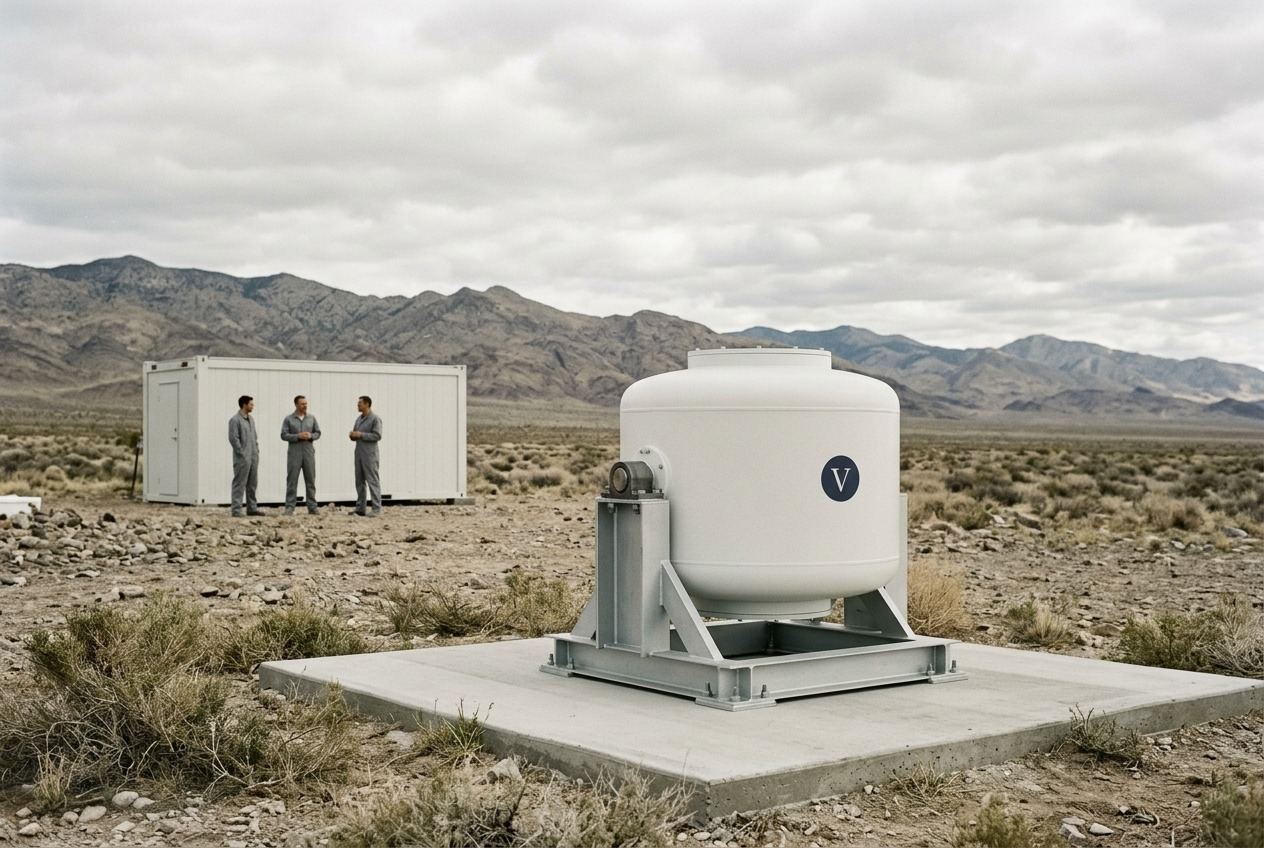
The qualifying article was cleared for flight-qualifying test in December and is on the stand at Mojave. The test is thirty days at rated output, then thermal cycling across the range the surface actually presents, then an unassisted restart after a cold soak. The order is deliberate: the cold restart is the hardest case on this path and it comes last.
The April gate reviews the test itself, and the result is reported to the customer's review board as it stands.
Propellant
The propellant package is a Sabatier plant: carbon dioxide out of the atmosphere, hydrogen out of local water ice, methane and oxygen out the other end. It was demonstrated at laboratory scale in 2026 and has run in continuous analog operation through 2027.
Eleven of the twelve months ran uninterrupted, and the two stops in the twelfth were traced to feedstock ice handling. The handling skid was redesigned twice in response and is now the pacing item on this path.
Surface systems and manifests
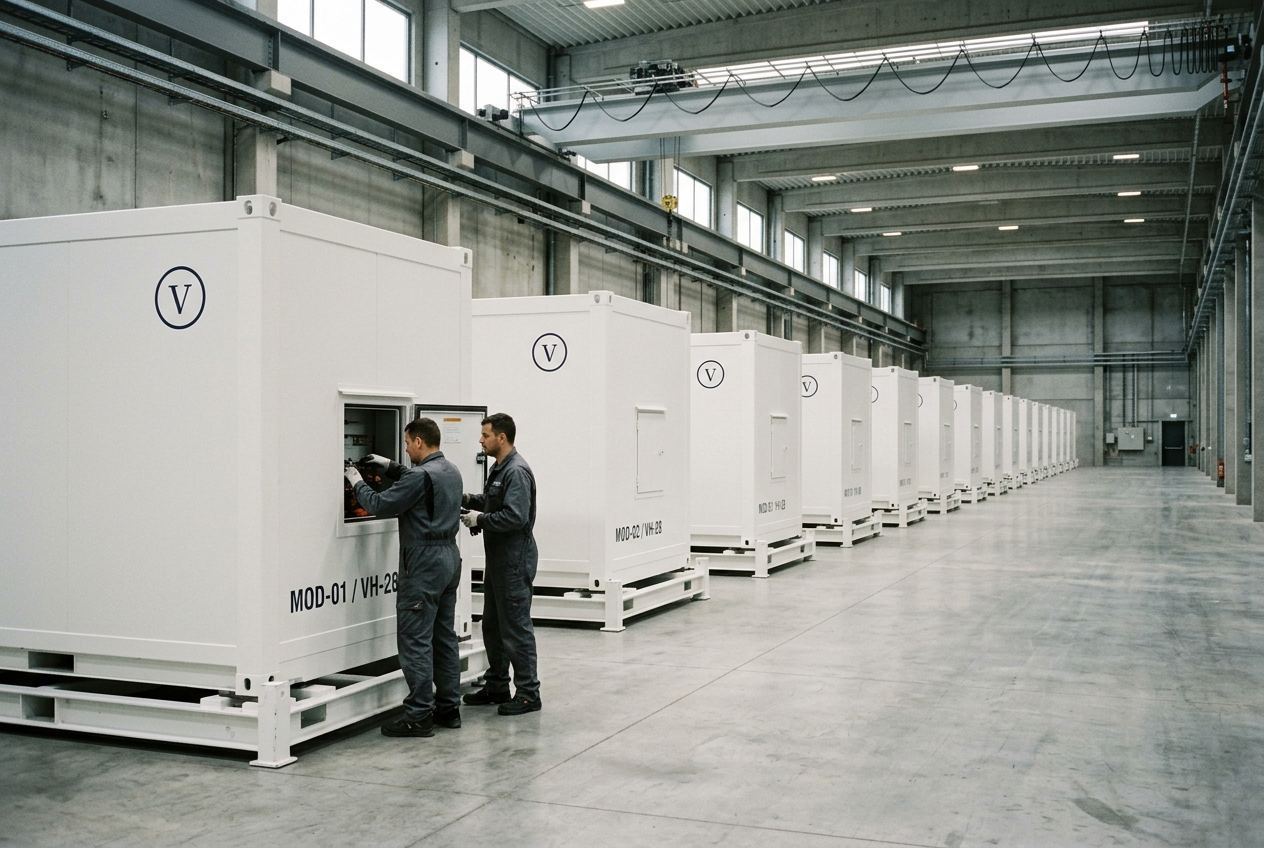
Surface systems are flight-ready: rovers and tracked cargo skids, with the Mars-analog fidelity demonstration completed in 2027 to every condition set for it.
Manifests are built as sealed modules, one capability to a module: habitation, power, propellant, surface construction, communications. One capability to a module keeps a mission whole, and the discipline is paid for in mass. Module dimensions and interfaces are frozen against the vehicle that will carry them, and the launch provider holds that freeze.
The calendar
Flight units of the surface and propellant hardware are delivered in the fourth quarter of this year. The 2029 cycle takes them through launch licensing and integration. The window opens in 2030 and holds to its own dates.
Artemis IV lands in September. We supply flight avionics and surface-operations risk modelling into it as a tier-one supplier, the avionics are delivered, and it is the closest thing to a rehearsal these articles get before they fly.
The crew element we supply is a Synthetic cohort, in induction now at Andermatt and Reykjavik, contracted to the programme that will fly them. Names follow when induction completes.
Enquiries about the campaign
Gate status is reported every quarter to holders, in the quarter the gate is decided; see investor relations. Technical enquiries from agencies and suppliers go to the programme office and are answered in writing. The programme itself is described under the Mars systems.