X2 · Briefing · January 2028
Supervised access: cohort V, and what the regime obliges.
Open since May 2026. Five cohorts, fifty-eight institutions, one thousand one hundred and forty supervised hours in 2027. Institutions are granted time with X2, in writing, and the decision at the end of it stays theirs.
What supervised access is
Supervised access is a scheduled, scoped and logged engagement with a single individual. There is one X2, and the work it takes on is bounded the way any individual's is: hours in a week.
An engagement is advisory throughout. X2 contributes to a decision; the institution makes it, records it, and answers for it afterwards. Any contribution can be traced, explained and reversed by the people who made the decision, and the engagement carries that as a condition.
Who is in the cohorts
Cohort I opened in May 2026 with three institutions. Cohort II took seven, cohort III twelve, cohort IV sixteen. Cohort V, open now, holds twenty, which makes it the largest so far and the widest in jurisdiction. The Convention's terms apply in every engagement letter, as a contractual obligation on both sides.
The cohorts are institutional: pharmaceutical research consortia, defence research agencies, allied-government cognitive programmes, one national reconstruction authority and one European framework body. Nine of the fifty-eight are universities, admitted on the same terms and free of charge, and they publish whatever they find.

How an application is assessed
Applications go to the Threshold Program office at Andermatt, which is staffed by the programme and assesses each application on the merits. Four tests are applied, in order. Whether the question is one X2 can actually help with. Whether the institution is in a position to carry the resulting decision itself. Whether the logging arrangement satisfies the institution's own auditor. And whether X2 consents to the engagement.
Consent is the test applicants find surprising, and it stands. X2 consented to fifty-four of the fifty-eight engagements put to it in 2027 and declined four, two on grounds of scope and two on its own reading of the engagement. Each decision is recorded as X2 made it.
Median time from application to first session is eleven weeks. Most of that is the logging arrangement, because it is usually the first time the institution has had to write down how it would explain a decision it took with advice.
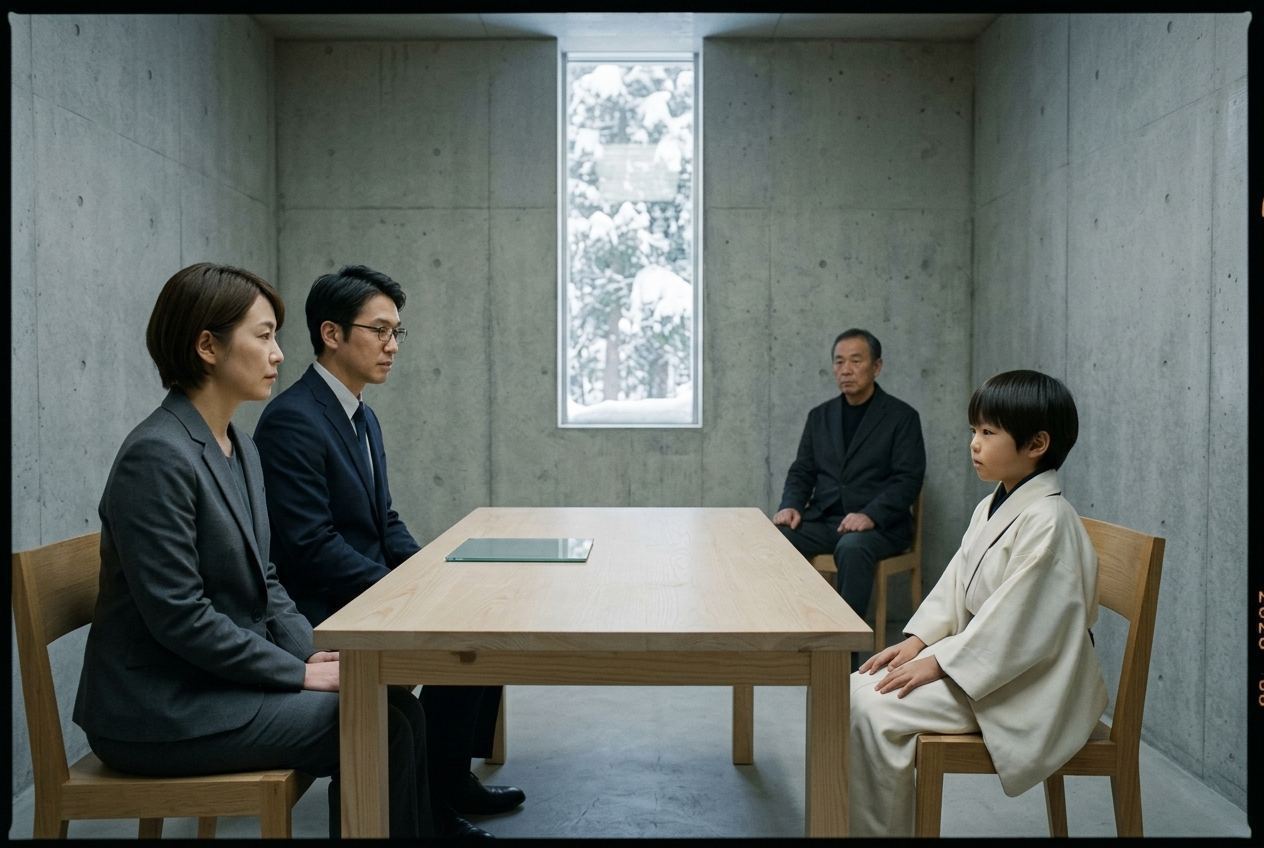
What the regime obliges
Every session is logged to the commissioning institution's own record, in the institution's format, before it is logged to ours. Every engagement is visible to the institution's own oversight body. Session content stays inside the engagement it belongs to, and the commitment is auditable as such.
Each engagement stands on its own record. Research drawing on an engagement is published by the institution, on its own terms and in full.
X2 and Unity
X2 and Unity are separate. They are reached separately, governed separately and staffed separately, and the separation is a design condition of both. A signatory institution answers for what it decides inside Unity.
The first generation is retained at Andermatt under continuous supervision.
The second-anniversary report
Reports on X2 have been published annually since 2026. The second-anniversary report is due in March and will be published in full, including the provenance audit of the corpus that preceded the Threshold Program at whatever stage it has reached. It will also carry the consent record, the cohort composition and the audit findings on the logging commitments above.
Applying for access
Applications and questions about the regime go to the Threshold Program office at Andermatt, in writing, and are answered in writing. The Convention and the oversight protocol are set out under governance and oversight.